Εμφάνιση αναρτήσεων με ετικέτα British culture. Εμφάνιση όλων των αναρτήσεων

A guide to the UK

An interesting idea for the very first days at school.

 The children get to know about traditions, food, music, culture and scenery in the UK, the country where the English language came from.


10 +1 Resources about Shakespeare


Videos, flashcards and activities for primary school pupils here


Articles and lesson plans your teenage English language classroom here


Shakespeare's Globe Theatre Images here

An animated version of Shakespeare's Hamlet

Shakespeare: Original pronunciation (The Open University)


Music in the time of Shakespeare


Also 


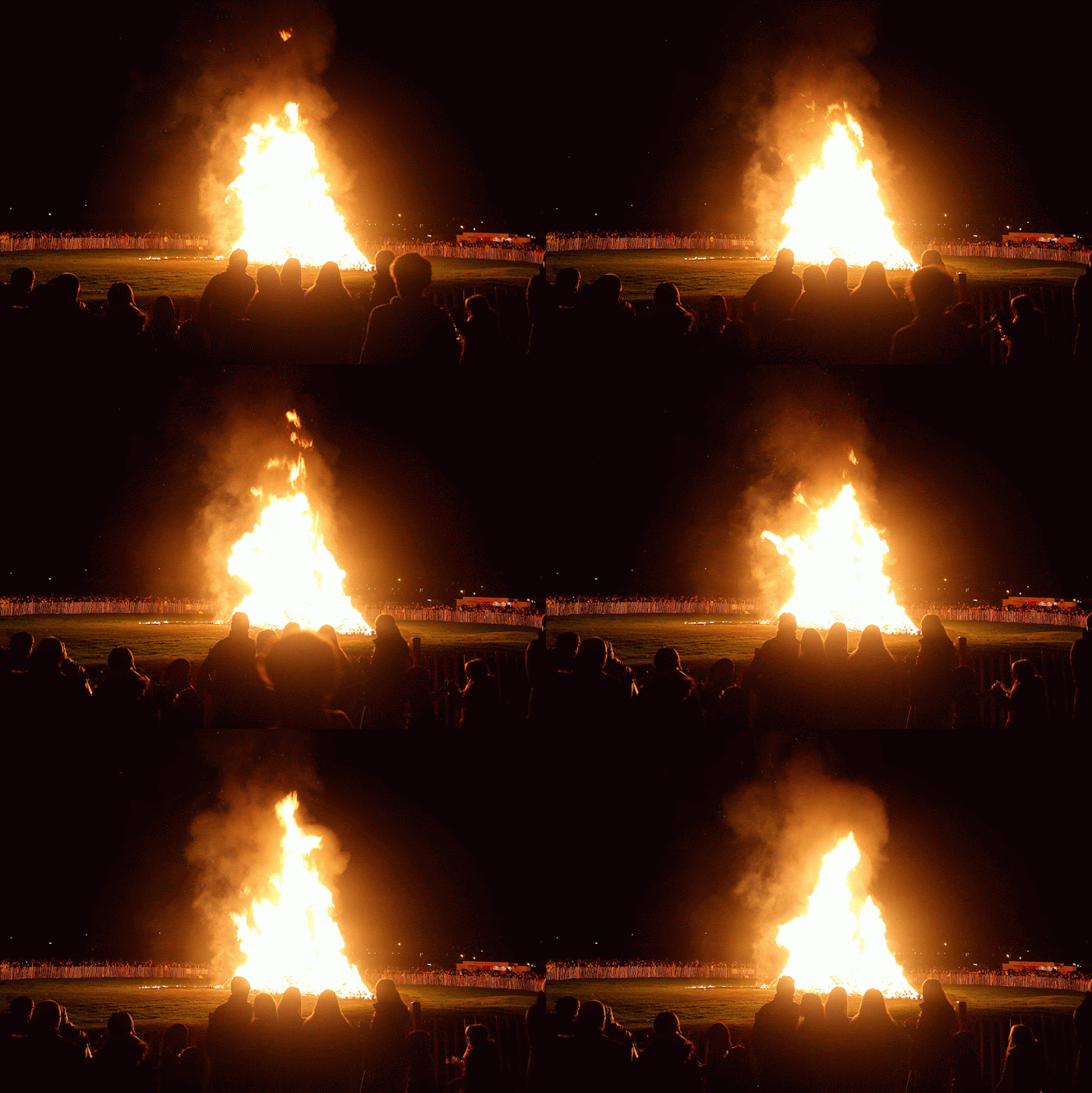
Bonfire Night


Bonfire Night is celebrated all over the UK.

Every year on 5th November, the anniversary of the Gunpowder Plot, Guy Fawkes is remembered.


Throughout England, towns and villages light huge bonfires,
let off magnificent fireworks,burn an effigy (a homemade model of a man, like a scarecrow) and celebrate the fact the Parliament and James I were not blown sky high by Guy Fawkes.

Traditional Bonfire Night Food
As well as burning effigy of Guy Fawkes, the bonfires are used to cook potatoes wrapped in foil and to heat up soup for the crowds that come to watch the fireworks.

The traditional cake eaten on bonfire night is Parkin Cake, a sticky cake containing 

  •  a mix of oatmeal
  • ginger
  •  treacle 
  • and syrup


Other foods include 

  • sausages cooked over the flames 
  • and marshmallows toasted in the fire.

Firework Displays
In main town and cities, torch-lit processions are also popular on this night too. The procession leads to where the bonfire and firework displays are.


Happy St George’s Day!

Saint George is the patron saint of England in a tradition established in the Tudor period, based in the saint's popularity during the times of the Crusades and the Hundred Years' War.
St George’s Day takes place every year on April 23rd and it marks the national day of England’s Patron Saint, St George. April 23rd marks the day of his death and it’s traditionally marked as a feast day.
St George is the patron saint of England. His emblem, a red cross on a white background, is the flag of England, and part of the British flag.

 St George’s emblem was adopted by Richard The Lion Heart and brought to England in the 12th century. The king’s soldiers wore it on their tunics to avoid confusion in battle.
Saint George is popularly identified with England and English ideals of honor, bravery and gallantry, but actually he wasn’t English at all. Very little is known about the man who became St George.
St George is most famous for defeating a dragon and this is what is usually depicted in images of him. In the Middle Ages the dragon was commonly used to represent the Devil. 

                                                                                    (source : www.anglotopia.net)

Easter traditions in the UK


Easter is the second most popular Christian festival after Christmas. It is a celebration filled with activities, special religious ceremonies and culture.
Easter commemorates the resurrection of Jesus Christ .
British schools celebrate Easter with a 2 week holiday. Before the school holidays however, schools participate in several Easter traditions. The most popular Easter Tradition is the egg and spoon race, where children must race each other whilst balancing an egg on a small spoon. If the egg falls off the spoon, the child must start again.


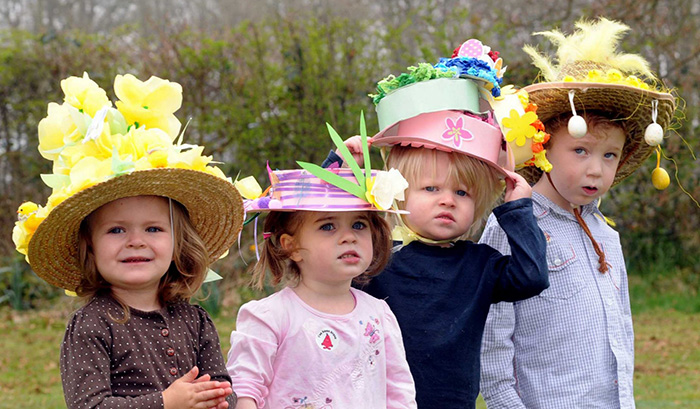
Another tradition at school is the decoration of an Easter bonnet (a straw hat). Children can decorate their hats with eggs, flowers, ribbons etc and the most beautiful hat will win a prize.


Μany families, may have an egg hunt. Adults will hide small chocolate eggs around a house or garden and children then search everywhere to find them, placing any eggs they find in a basket.

Of course people send cards to friends and family wishing them a ‘Happy Easter’.
On Easter Sunday families will sit down to a big Easter lunch. Typically, the meal will include lamb.

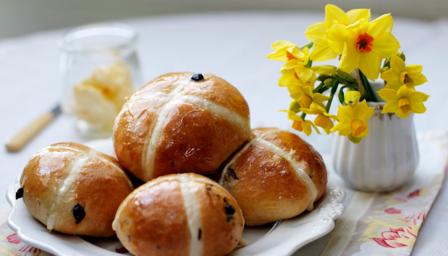
 It is also tradition to have boiled eggs for breakfast and Hot Cross Buns for dessert or a snack. These cakes are only sold around easter time.


The British flag
The Union Flag (known as the Union Jack ) is the national flag of the United Kingdom.

The flag was first proclaimed by James I (James VI of Scotland) in 1606 when he inherited both the thrones of England and Scotland and sought to create a flag combining the two crosses of the respective nations. Ireland was later added in 1801 when it joined the United Kingdom.
It’s Actually Three Flags in One
The flag is actually made up of the three flags of England, Scotland and Ireland which are the crosses of each country’s patron saint.
England: Cross of St George –Red Cross

Scotland: Cross of St Andrew – White Saltaire


Ireland: Cross of St Patrick – Red Saltaire


Wales is Missing

While there are four constituent countries that make up the United Kingdom, only three of them are actually represented on the Union Flag. That’s because technically, Wales is a principality and has legally always been considered a part of England .
There are 23 countries using the Union Flag today.
There are still 23 countries around the world – many small territories or islands – that use some form of the Union Flag in their design. But there are big ones that still do like Australia and New Zealand.
Historian David Starkey said  that the Union Flag is called 'Jack' because it is named after James l of Great Britain (Jacobus, Latin for James ),who introduced the flag following his accession to the throne.


When a man is tired of London, he is tired of life.

"Why, Sir, you find no man, at all intellectual, who is willing to leave London. No, Sir, when a man is tired of London, he is tired of life; for there is in London all that life can afford."
— Samuel Johnson
This discussion happened on September 20, 1777, and Johnson, someone who hated to spend time alone, was always going out and enjoying what London had to offer.
 Created by Paul Richardson,  the timelapse video of London shares 24 hours with some of the city’s best-known landmarks including the Houses of Parliament, Buckingham Palace, the London Eye, Piccadilly Circus and Tower Bridge.